La Habana --
El teniente coronel Juan Pablo Roque usaba su Rolex con orgullo, el
único orgullo de un doble agente cubano que una vez trabajó para el
FBI.
Pero ahora el hombre que una vez fue uno de los espías más
ilustres de la isla, no tiene dinero. Y quiere vender su preciado reloj y
su casa en La Habana.
“Necesito el dinero”, confesó Roque en su entrevista más extensa en más de 15 años.
Su historia ilustra la vida incierta que espera a los espías
cubanos que quedan al descubierto. Pero también es un recordatorio de
las extensas y exitosas actividades de espionaje de Cuba, incluso ahora,
21 años después del final de la Guerra Fría.
Roque, ex piloto de
combate con una figura digna de Hollywood, nadó hasta la Basa Naval de
Guantánamo en 1992, declarando su oposición a Fidel Castro.
Se
convirtió en piloto de Hermanos al Rescate, un grupo dedicado a
sobrevolar las aguas del Estrecho de la Florida en busca de balseros.
Pero entonces asombró a todos en 1996 al regresar a Cuba un día antes
que un caza MiG de Cuba abatiera a dos avionetas civiles del grupo de
exiliados cubanos.
Ahora con 57 años y viviendo con su novia en un
apretado apartamento de La Habana, Roque dice que lamenta que cuatro
personas murieran en el incidente del 24 de febrero de 1996.
“Si pudiera viajar en una máquina del tiempo”, dijo, “sacaría a esos muchachos de los aviones en que fueron derribados”.
Los cuatro fallecidos fueron Carlos Costa, Mario de la Peña, Pablo Morales y Armando Alejandre Jr.
Maggie Khuly, hermana de Alejandre, dijo que nunca se ha hecho justicia.
“Hablando
a nombre de las familias, mi familia en particular, estamos esperando
el día en que Roque se enfrente a un tribunal de Estados Unidos por su
encausamiento pendiente”, declaró Khuly, quien vive en Miami y es
arquitecta.
Espía por espías
El
derribo de las avionetas llevó las relaciones entre Cuba y Estados
Unidos a un nuevo nivel mínimo y provocó que el entonces presidente Bill
Clinton firmara la Ley Helms-Burton, que arreció las sanciones
económicas contra Cuba.
Desde entonces, las relaciones entre
Estados Unidos y Cuba siguen profundamente frías. El presidente Barack
Obama alivió algunas restricciones de viaje a la isla tras asumir el
cargo, pero ha hecho poco por aliviar la tensión. De hecho, funcionarios
estadounidenses han trabajado regularmente para subvertir al régimen,
gastando más de $200 millones en programas para promover la democracia
en Cuba desde 1996.
Espías cubanos en Miami y La Habana observan estos esfuerzos cuidadosamente y algunas veces los frustran.
En
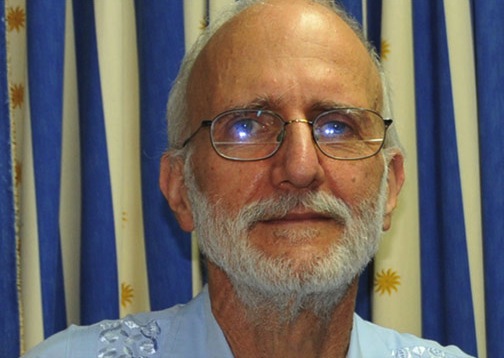
el 2009, las autoridades cubanas arrestaron a Alan Gross, un
subcontratista de Maryland que trabajaba para la Agencia para el
Desarrollo Internacional de Estados Unidos y que fue arrestado mientras
llevaba equipos sofisticados de comunicaciones por satélite a la isla.
Las autoridades cubanas lo condenaron a 15 años de prisión en el 2011.
Por
su parte, las autoridades cubanas dicen que están dispuestas a canjear a
Gross por agentes cubanos arrestados en la Florida después que el FBI
desarticuló la Red Avispa de espionaje en septiembre de 1998.
Cuatro
de esos agentes siguen en prisiones estadounidenses. Un cuarto pasó 13
años en prisión y ahora está en libertad, pero no puede regresar a Cuba
hasta que cumpla tres anos de libertad condicional en Estados Unidos.
Los
agentes son conocidos como los Cinco. Durante 14 años han estado en el
centro de una masiva campaña de propaganda de Cuba, que los consideran
héroes que defendían su patria. Sus nombres son muy conocidos en la isla
y hay imágenes de ellos en vallas publicitarias y edificios.
Las
actividades de espionaje de Roque fueron tan significativas como
cualquiera de los Cinco Cubanos, pero regresó a la isla a una vida en
las sombras.
Sin embargo, las autoridades estadounidenses no lo
han olvidado y algunos exiliados cubanos exigen que el gobierno de La
Habana lo devuelva para que enfrente cargos.
Un encausamiento
federal acusó a Roque en 1999 de no inscribirse como agente extranjero y
de confabularse para estafar a Estados Unidos.
A preguntársele
sobre los cargos, Roque suspira. Afirmó que el gobierno cubano tenía
derecho a defender su espacio aéreo, pero que él no debe ser considerado
responsable de las muertes.
“Yo no tengo la culpa. Yo no hice
nada indebido. Yo no ordené que mataran a nadie”, declaró. “La decisión
de derribar los aviones fue una decisión del gobierno soberano de Cuba.
La decisión de derribar las avionetas fue tomada por sus constantes
incursiones aéreas, violaciones del espacio aéreo”.
Pero algunos críticos cuestionan su sinceridad.
“Si
Roque está tan convencido de su inocencia, entonces que se entregue, se
someta a juicio y limpie su nombre”, afirmó Thomas Van Hare, coautor de
Betrayal ( Traición), un libro del 2009 sobre el derribo de las avionetas.
“Es un parásito”, agregó el otro autor del libro, Matt Lawrence.
José
Basulto, líder de Hermanos al Rescate, comentó que es difícil saber si
Roque sabía de antemano del derribo, pero que Roque “fue clave” en el
incidente y que “no hay nada que perdonar sobre eso”. Sencillamente es
culpable.
No hay duda de que Roque es una de las figuras más
odiadas en el sur de a Florida después de los hermanos Castro. Es el
espía que se escapó. Y después de un video casero que salió a relucir en
YouTube en el 2011, donde se le ve cantando, bebiendo alcohol y
saludando a su madre en España, los exiliados cubanos lo criticaron
duramente.
“El hijo de perra reaparece”, proclamaba el video.
“La
cucaracha es el principal culpable de la muerte de cuatro valientes de
Hermanos al Rescate”, expresó un comentario. “Si le pongo la mano encima
lo torturo”.
“Es un hombre bien parecido”, expresaba otro comentario. “Pero es una pena que sea el ser humano que es”.
Aislado en Cuba
“El doble cubano de Richard Gere”, como han llamado a Roque, aprendió a volar cazas MiG en la antigua Unión Soviética.
Pronto
se convirtió en el favorito de la comunidad exiliada de Miami. La
Fundación Nacional Cubano Americana incluso financió sus memorias, The Deserter ( El Desertor), en que cataloga a funcionarios cubanos de “gordos comunistas” y “bebedores de cerveza”.
En
las fotos del libro se le ve junto a legisladores anticastristas como
el senador demócrata Robert Menéndez, de Nueva Jersey, y la
representante republicana Ileana Ros-Lehtinen, de la Florida.
Roque recuerda esos días con una mezcla de nostalgia y arrepentimiento.
Confesó que ahora está solo en Cuba y que extraña a sus familiares en Estados Unidos.
“Allí tengo a mis tres hermanos, mis tíos y mis primos. Tuve una relación magnífica con ellos mientras estuve allí”.
Alejandro
Roque, de 48 años, dice que no ha tenido contacto con su hermano mayor
desde 1996. Y agrega que incluso entonces no concordaba con las ideas de
su hermano.
“La situación mundial es compleja y con frecuencia
los ideólogos no distinguen entre los gobiernos y los pueblos… los
bandidos y las víctimas”, indicó Alejandro Roque.
Al preguntársele
si tenía algo de qué arrepentirse, Juan Pablo Roque dijo que quisiera
haber hecho más por impedir el derribo de las avionetas.
“Quizás
ahora… yo trataría de tener un papel mucho más fuerte en las cosas que
sucedieron”, comentó. “Trataría de jugar un mejor papel. Si mi papel fue
bueno o malo, hay que dejar que la gente decida. Que los que me quieran
juzgar me juzguen”.
Roque sigue convencido de que Cuba tenía el
derecho a defenderse de las organizaciones exiliadas en la Florida. Un
salvadoreño, que dijo que exiliados cubanos le pagaron para colocar
bombas en Cuba, cumple una condena de 30 años por un atentado en el que
murió un turista italiano en La Habana en 1997. Roque opina que los
exiliados estaban decididos a provocar en Cuba un caos que justificara
una intervención militar de Estados Unidos.
“Todavía hay grupos
que quieren una confrontación, que quieren sangre. Quieren tres, cuatro,
cinco días para matar”, declaró Roque.
Antiguos miembros de
Hermanos al Rescate reconocen que ocasionalmente dejaban caer panfletos
políticos sobre La Habana, pero dijeron que su principal misión era
humanitaria. A principios de los años 1990 realizaron cientos de
misiones sobre el Estrecho de la Florida y detectaron a más de 17,000
balseros cubanos, ayudando así a salvar vidas. Alegan que Roque mintió
sobre el grupo al FBI, presentándolo como un grupo extremista interesado
en realizar actividades de sabotajes en la isla.
“No conozco a
nadie, a ninguno que volara en las misiones de Hermanos al Rescate, que
tuviera en su alma otra razón que no fuera salvar vidas”, dijo Matt
Lawrence, el autor del libro. “El señor Roque y el resto son espías, y
mienten como espías que son”.
Roque quiere que Estados Unidos y
Cuba cesen las hostilidades y normalicen las relaciones. Sueña con ver a
pilotos de combate de Estados Unidos, Cuba, Vietnam y Rusia reunirse
para compartir ideas.
“Espero que ese momento llegue y que podamos
sentarnos a una mesa a fumarnos la pipa de la paz”, aseguró. “Bueno, yo
no fumo, pero la tendré en la mano. Con placer, con mucho placer lo
haré”.
Sin dinero y desesperado
Ana
Margarita Martínez no cree una palabra, y no podría ser de otra manera.
Como parte de su elaborado disfraz, Roque se casó con ella en 1995,
sólo para abandonarla con sus dos hijos menos de un año después.
“Si
usted busca la definición de un sociópata, lo describe muy bien”,
declaró Martínez. “El pensó que iba a ser alguien en Cuba, y no es
nadie. Probó la libertad en Estados Unidos y ahora no tiene ninguna. Ni
siquiera puede decir que siente un temor real de repercusiones. Le
vendió su alma al diablo y ahora está pagando un alto precio. Le tengo
pena”.
Pero Van Hare, quien es uno de los autores del libro sobre
Roque, no comparte esa pena. “Un agente de inteligencia que queda al
descubierto y se le identifica públicamente, esencialmente se queda sin
trabajo. No lo siento por él. Escogió su camino en la vida y no hay duda
de que conocía absolutamente cómo se “retiran” los agentes de
inteligencia en Cuba y lo poco que reciben como resultado”.
Roque
reconoce que ajustarse a la vida en Cuba desde su retiro forzado a los
40 años ha sido “muy, muy brutal”. Considera el tiempo que pasó en la
Florida sus “mejores cuatro años como profesional. Y de repente, como
dicen los pilotos, todos los motores de apagaron”.
“Me hubiera
gustado continuar volando. Me hubiera gustado tener un trabajo vinculado
con lo que he aprendido. Pero bueno, no fue así”.
Hubiera podido ser peor. Roque hubiese podido terminar en prisión en Estados Unidos.
“Pensé en eso varias veces”, dijo. “Lo único que me salvó espiritualmente fue no estaba haciendo nada malo”.
Le sorprendió el nivel de agresividad con que las autoridades estadounidenses persiguieron a otros miembros de la Red Avispa.
“Pensé que los iban a soltar rápidamente, que los iban a subir a un avión hacia Cuba”.
El
líder de la red, Gerardo Hernández, fue condenado a dos cadenas
perpetuas. Eso fue “groseramente injusto”, subrayó Roque, porque
Hernández ni siquiera se acercó a ninguna de las organizaciones del
exilio. “Gerardo no estaba absolutamente en nada. No participó en nada,
en nada”.
Roque está libre, pero no enteramente contento. Dijo que
echa de menos el estilo de vida de Estados Unidos: “la disciplina, el
amor al trabajo”.
“Yo hice muchos trabajos. Asfalté calles,
trabajé con afroamericanos. Yo les caía muy bien. Cada vez que me
preguntaban de dónde era, les decía que era cubano. Entonces me
preguntaba si eso estaba cerca de Alaska. Pero sentí mucha solidaridad
con ellos.
“Asfaltamos calles a las 10 de la noche. Trabajamos toda la noche. Era un trabajo muy duro”.
Las
cuadrillas de trabajo no son tan disciplinadas en Cuba, donde los
obreros colocan el asfalto “a las 10 de la mañana, al mediodía. Un
camión lo aplasta, y otro más. El trabajo es muy chapucero”.
Roque dio que trabajó duro en Estados Unidos, pero “uno ve los resultados y eso me gustó mucho”.
Desempleado
ahora, Roque consideró que lee lo más que puede sobre ciencia, aviación
y el cosmos. Hace ejercicios con regularidad y prefiere el
levantamiento de pesas y las barras paralelas, un régimen que aprendió
en la Unión Soviética.
Dio que si tuviera que irse nadando otra vez a la Base Naval de Guantánamo —unos 6 kilómetros, o 3.7 millas— no lo dudaría.
“No exagero si le digo que puedo hacerlo ahora sin ningún problema. Me encanta nadar”.
Roque
declinó revelar el precio de la casa de dos pisos y tres habitaciones
que está vendiendo. La casa era de sus padres y tiene un jardín trasero
lleno de plantas tropicales y frutales.
El Rolex del antiguo espía es un GMT Master II, un modelo diseñado para pilotos con ayuda de Pan Am Airways en los años 1950.
“Lo
tenía puesto todo el tiempo”, afirmó su ex esposa en Miami. “Nunca
entendí cómo pudo comprarse un Rolex. Después me di cuenta que lo compró
con el dinero que el FBI le pagó como informante”.
Un GMT Master II usado se vende en $4,500 y más en eBay, pero Roque espera que le den más en una subasta.
“Creo que algún coleccionista americano estaría interesado en comprarlo. Alguien a quien le guste James Bond”.
El
Florida Center for Investigative Reporting es una organización sin
fines de lucro apoyada por contribuciones de fundaciones e individuos.
Para más información, visite fcir.org.
Read
more here:
http://www.elnuevoherald.com/2012/10/03/v-fullstory/1313498/el-espia-cubano-sin-dinero-desesperado.html#storylink=cpy











![NEOCASTRISMO [Hacer click en la imagen]](http://4.bp.blogspot.com/_5jy0SZhMlaU/SsuPVOlq2NI/AAAAAAAAH1E/4xt2Bwd2reE/S150/ppo+saturno+jugando+con+sus+hijos.jpg)


